“native country” search results (1000)

Ninety + levelup series NistuRuz Niluju / rosemary Qingfu water wash to treat coffee and raw bean coffee
NinetyPlus LevelUp Nistu Ruz country: Ethiopia producing area: Ethiopia altitude: 1800-2100 m treatment: washed variety: Ethiopian native flavor: flower, lemon, honey, litchi, black tea
2016-04-26 Ninety + levelup series NistuRuz Nippon Ruju
Ninety + levelup series NistuRuz Niluju / rosemary Qingfu water wash to treat coffee and raw bean coffee
NinetyPlus LevelUp Nistu Ruz country: Ethiopia producing area: Ethiopia altitude: 1800-2100 m treatment: washed variety: Ethiopian native flavor: flower, lemon, honey, litchi, black tea
2016-04-26 Ninety + levelup series NistuRuz Nippon Ruju
Sidamo Sun Lion King Ethiopian boutique coffee beans
Coffee bean details: 1. Country: Ethiopia 2. Grade: G13. Production area: Guji 4. Planting altitude: 1800-2000m 5. Soil type: volcanic laterite 6. Annual rainfall: 1100-1200 cm 7. Treatment: insolation 8. Variety: native species (Heirloom) 9. Disposal site: Sirsa Cooperative 10. Raw bean specification: 17-18 items 11. Flavor: Jasmine, honey,
2016-05-10 Dharma Sun Lion King Ethiopia boutique coffee beans details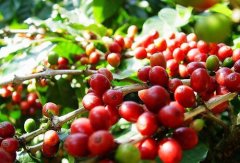
Ethiopian Coffee Bean Adado Adorto G1
Coffee bean details: country: Ethiopia level: G1 production area: Guido Gedeo altitude: 1900-2100 m treatment: sun varieties: native species Heirloom producer: Adado cooperative flavor: blueberry, honey, purple fruit, citrus notes
2016-05-16 Yesso Biya coffee beans Yega Chevy sun Adado blossoms coffee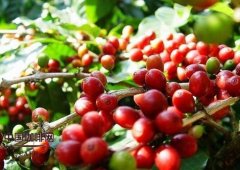
Add Xuefei sun beans Adado Adorto G1 coffee Ethiopia raw beans
Coffee bean details: country: Ethiopia level: G1 production area: Guido Gedeo altitude: 1900-2100 m treatment: sun varieties: native species Heirloom producer: Adado cooperative flavor: blueberry, honey, purple fruit, citrus notes
2016-05-18 Add snow sun Adado blossoming coffee clotheso Biya raw beans add snow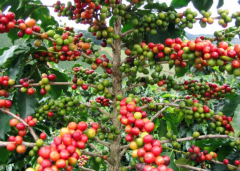
Ethiopian Sidamo Lion King Sun-treated Fine Coffee
Coffee bean details: 1. Country: Ethiopia 2. Grade: G13. Production area: Guji 4. Planting altitude: 1800-2000m 5. Soil type: volcanic laterite 6. Annual rainfall: 1100-1200 cm 7. Treatment: insolation 8. Variety: native species (Heirloom) 9. Disposal site: Sirsa Cooperative 10. Raw bean specification: 17-18 items 11. Flavor: Jasmine, honey,
2016-05-20 Ethiopia Dharma Lion King Solar processing Fine goods Coffee Coffee beans details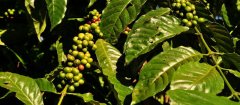
Rich aroma of tropical fruits 90+levelupDerar Ela de Riera Flower Manor African flavor
Country: Ethiopia: Shakiso, Kibremengist, Guji altitude: 1700-2000 m treatment: sun varieties: Ethiopian native seed producers: local smallholder flavor: rich aromas of berries, flowers, grapes, a variety of tropical fruits
2016-07-01 Tropical fruit rich aroma 90 percent levelupDerarrecoveryEla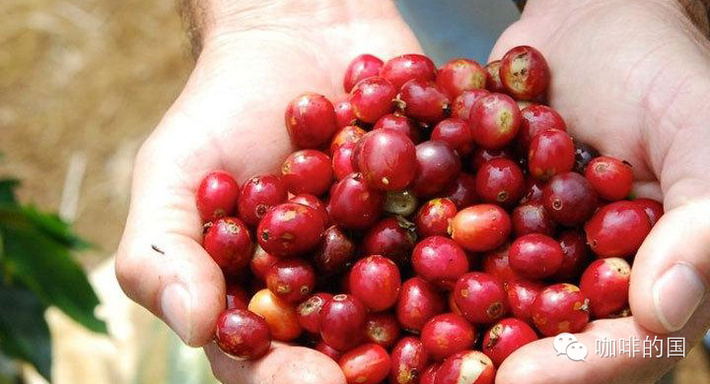
Cooked beans of sun-cured coffee in the Shakisso producing area of Sidamo Guji Guji, Sidamo, Ethiopia
The coffee flavor of Sidamo is very diverse, because of the different soil composition, regional microclimate and countless native coffee varieties, the coffee produced in each urban area has obvious differences and characteristics. Sidamo producing area (Sidama) is located in the south of Ethiopia. The industry here is mainly agricultural, and the coffee growing area is located around the Great Rift Valley (Great Rift Valley) of East Africa.
2016-03-26 Ethiopia Dharma Sidamo Guji Shakiso Sh
What is the most caffeinated coffee in common coffee trees?
Ethel sa is a variety that was discovered in 1904 and originated in the Charlie River Basin in Africa. It has small fruit and high yield per plant, especially a drought-resistant variety. The product has a strong flavor, slightly bitter taste and less cultivation. What are the types of coffee trees? There are four common varieties of coffee trees, and the editor has introduced them to you. Different varieties of coffee beans have different flavors, but that is
2016-06-08 Common coffee tree species category which caffeine high Ethel Searle sa
What are the main types of coffee beans
[Catuai Kadu Aikaduai Aica Dewey] (Caturra Kaddura and Mondu Novo New World artificial hybrid coffee varieties. The tree height of Caturra is shorter than that of Mundo novo, and the improved height is more convenient to harvest after mixing. The sweetness performance is similar to that of Cattura, and there is a great correlation between fertilization techniques. With high planting density, high yield can be achieved by proper fertilization.
2016-06-02 There are several kinds of coffee beans.
The knowledge of coffee botany is mainly divided into the following five varieties
According to the botanical description of coffee: coffee is Rubiaceae, coffee genus, perennial evergreen shrubs or small trees. There are more than 60 types of coffee classified, but there are roughly two varieties of coffee grown commercially on a large scale, one is Arabica, accounting for about 70 percent of the world's coffee planting area, and the other is Robasta, accounting for about 30 percent of the world's coffee planting area. According to our country
2015-10-19 Coffee botany knowledge mainly divided into the following varieties
Yega Xuefei G1
English name: Ethiopia, Wote Konga, Natural Yirgacheffe G.1 Commodity Specification: 227g Coffee country: Ethiopian Coffee producing area: Konga Wote growing altitude: above 1850m Coffee Variety: traditional Yega native species Coffee Grade: Grade 1 treatment method:
2014-08-14 Yega Xuefei G1 boutique Yega Xuefei Yega Xuefei G1 coffee beans
What is the development trend of coffee use in the types of coffee trees?
The shape of Arabica bean is small, the front is long oval, the middle crack is narrow and tortuous, and the arc on the back of the bean is flat. Arabica coffee is grown in Brazil and Colombia in South America, Central America, Costa Rica in the Caribbean, Guatemala, Jamaica, Mexico and Ethiopia. Arabica coffee beans are large, uniform in size and color.
2016-06-12 Coffee category which rabbi card bean-shaped smaller oval middle
The Lutesilo producing area of the western province of Rwanda coffee beans with bright sour fruit taste.
Catimor Katim (Timor and Caturra hybrid). Was found in Portugal in 1959. The palate is obvious and easy to distinguish, bitter acid with a bit of astringency, and the finish is often salty. It is a high-yield variety with high planting density and strong resistance to leaf rust. Timor Timm (a hybrid of Arabica and Robusta found in East Timor, but closer to Arabica because of its infection
2016-06-30 With bright fruit sour Rwanda coffee beans western province Texi producing areas
A brief introduction to coffee producing areas-the difference between Ethiopian boutique coffee and ordinary coffee
Ethiopia is a landlocked country in northeast Africa. It is bordered by Djibouti and Somalia to the east, Sudan and South Sudan to the west, Kenya to the south and Eritrea to the north. The plateau accounts for 2% of the total area of the country, with an average elevation of nearly 3000 meters, which is known as the roof of Africa. Ethiopia is the birthplace of the famous Arabica coffee beans, which has been maintained to this day.
2016-05-06 Coffee producing area profile Ethiopia boutique ordinary difference
Qianjie Cafe, Ethiopia Cochel factory, washed grade G1 Yega snow caffeine
Coffee beans details: country: Ethiopia: Gediyo,Kochere (Cochel) Grade: G1 treatment: washing varieties: Ethiopian Native seed treatment Plant: Alemu (Alim) Baking degree: light roasting flavor: lemon, jasmine, citrus 2013 Sweet Marias also bought water washing Yega Chevy from the Alemu treatment plant in 2013.
2015-02-13 Front Street Cafe Ethiopia Obi Yako Cher Factory Water washing Grade Snow
The relationship between Kenyan coffee and Arabica coffee beans
Arabica coffee accounts for about 65% and 80% of the world's coffee beans, and its excellent flavor and aroma make it the only coffee among these native species that can be drunk directly and alone. However, its resistance to drying, frost, diseases and insect pests is low, especially to the biggest natural enemy of coffee, leaf rust, so all producing countries are committed to improving varieties. For example, the well-known Sri
2016-06-05 Kenya coffee rabbi coffee beans relationships the world grow
What are the varieties of coffee beans in Libya?
The Liberian species, the large-grained species, is native to Liberia in Africa, as well as a few countries such as Malaysia. Its cultivation history is slightly shorter than the other two coffee trees. Liberian coffee trees are suitable for growing in lowlands. Its trunk is high and strong, it is 18 meters high, its leaves are large and tough, and its fruits and coffee beans are also very large. Its seed coat is close to the seed kernel and is scarlet when it is mature. The quotation flavor is strong.
2016-05-16 Libya coffee beans varieties what Libby subspecies large grains from Africa
Introduction to the characteristics of Bolivian Coffee Flavor Manor producing area of High quality mixed Coffee
In 1932, the Chaco War broke out between Bolivia and Paraguay for oil resources in the North Chaco region. Bolivia was defeated and lost a large area of territory. The people's armed uprising broke out in April 1952, and Paisdensolo, leader of the nationalist revolutionary movement, became president. Since then, there have been frequent military coups and long-term political instability. Modern assets with South American characteristics were restored in October 1983
2016-08-30 Quality blend coffee Bolivia flavor taste manor producing area characteristics introduction
Introduction to the Flavor and taste of Arabica Coffee in China
Arabica coffee accounts for 70% of all coffee production, and Arabica coffee accounts for 70% of all coffee products. its excellent flavor and aroma make it a direct drinkable coffee with only 8 Arabica beans (8). But its resistance to dryness, frost, diseases and insect pests is too low, especially the natural enemy of coffee-leaf rust, so all producing countries are in
2016-07-12 China rabbi coffee planting situation flavor taste introduction domestic native